Selecting Native Species for Industrial Belt Reforestation
Author: Ramesh Padmashali | Category: Ecology | June 18, 2026
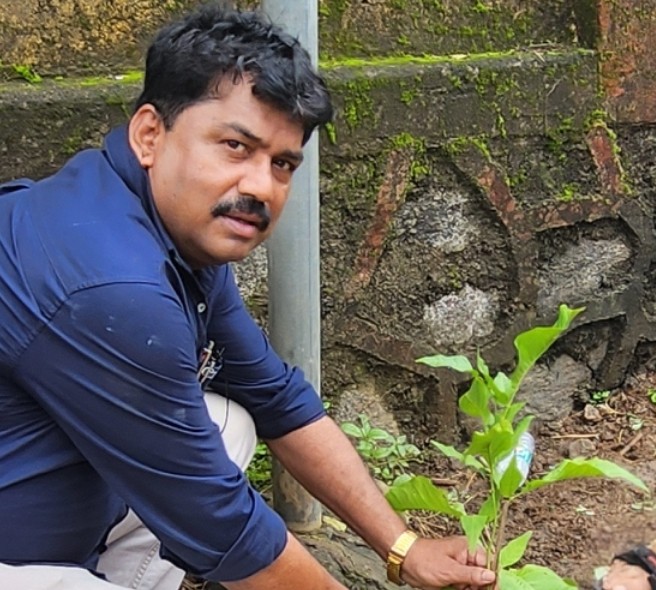
Reforestation drives near industrial sectors like Tarapur cannot succeed using generic landscape trees. The soil in these belts often carries high heavy-metal deposits, and water tables vary significantly during summer months. In this article, we explain why native species like Neem, Karanja, and Banyan are specifically chosen for our afforestation programs.
These trees possess deep, rugged root networks that bind soil effectively, preventing water run-off. Neem releases phytoncides that naturally filter airborne impurities, serving as a buffer near chemical zones. Our monitoring logs confirm native species show survival rates 40% higher than non-native decorative trees in Zilla blocks.
READ FULL WORK PROFILE
Emergency Transits: Bridging the Rural Health Gap
Author: Dr. Anil Patil | Category: Healthcare | May 10, 2026
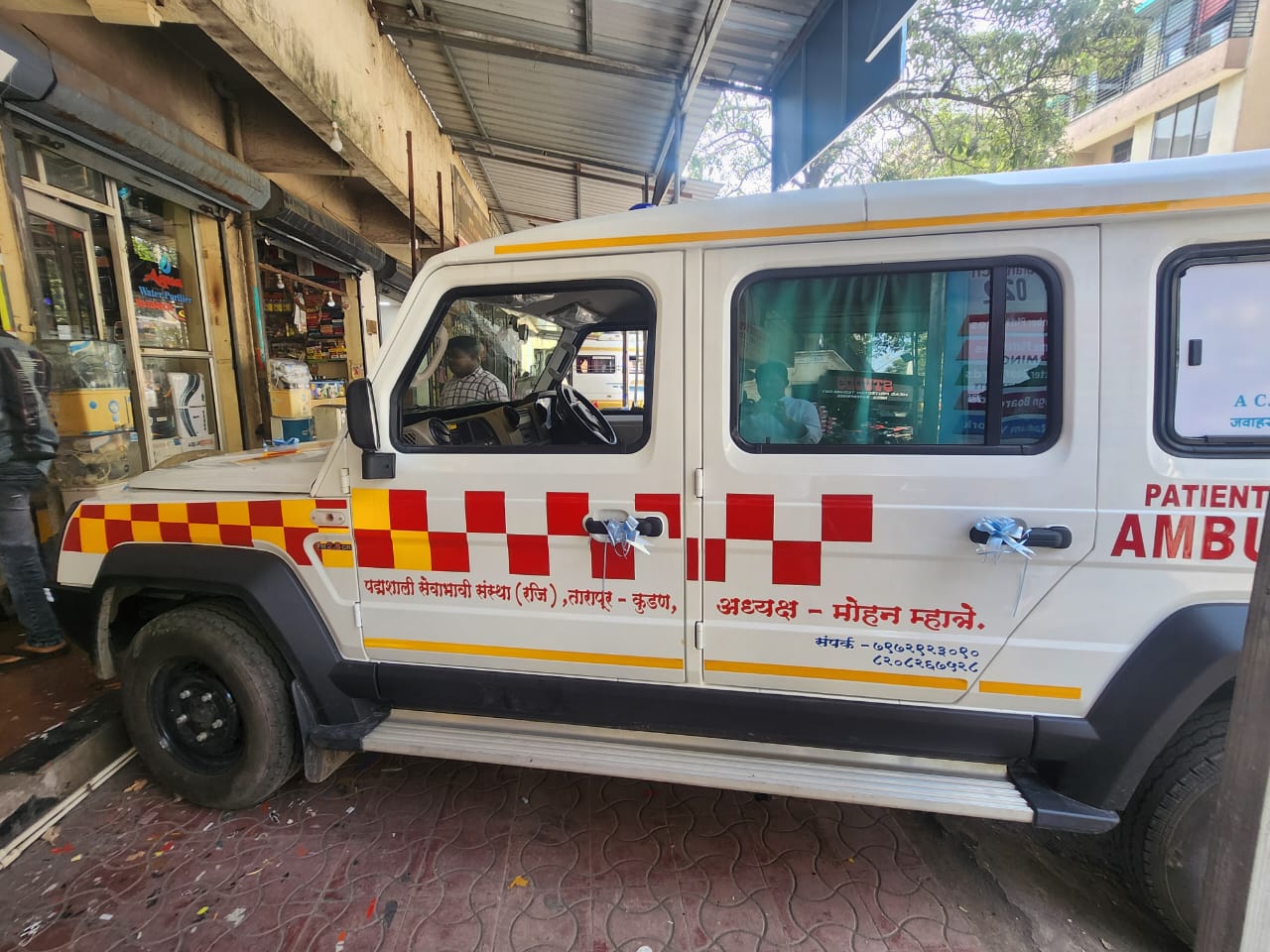
While urban cities have immediate access to app-based ambulance systems, rural blocks in Maharashtra face a severe gap in transport infrastructure. Often, tribal patients are carried on foot or in open tractor trolleys over multiple miles to reach the nearest PHC clinic. This delayed transition is a primary driver of pregnancy complications.
Our Ambulance Seva program operates on a direct-helpline coordination model. By stationing our vehicle at Patilpada Tarapur, we ensure dispatch response times under 20 minutes to surrounding hamlets. Sponsoring fuel and vehicle upkeep directly translates to a child's safe delivery or a senior citizen's cardiac stabilisation.
READ FULL WORK PROFILE
How Direct Stationery Distribution Enhances Primary School Attendance
Author: Prakash Tarapur | Category: Education | April 05, 2026
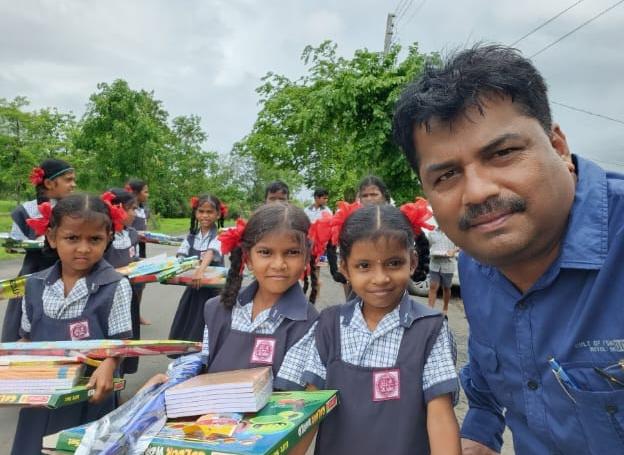
Zilla Parishad school enrollment metrics in Palghar blocks show that while school drives successfully draw students in June, attendance drops by 30% by mid-August. Investigations confirm parents often struggle to replace worn-out notebooks or buy complete textbook packages during the sowing season.
By delivering textbook bundles and school bags directly inside classrooms, our children's education initiative addresses this issue. Our annual tracker reports show a strong correlation between book availability and student attendance, with school dropout rates dropping to near 0% in all ZP schools covered by the program.
READ FULL WORK PROFILE